
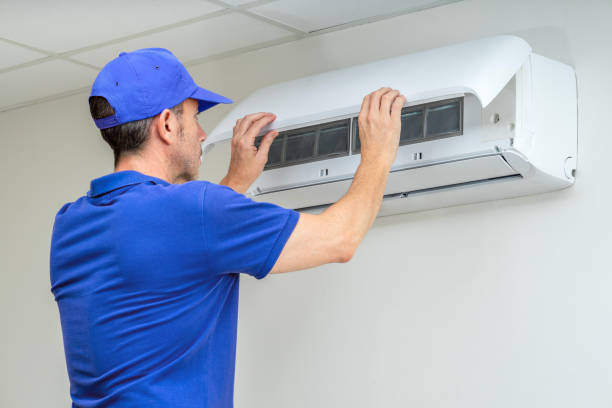
Air conditioning systems are essential for maintaining comfort, particularly during hot weather. However, like any mechanical system, they require regular maintenance and may eventually need repairs or replacement. Identifying the signs that your AC system is struggling or failing can help you address issues promptly, preventing further damage and potentially saving you from costly repairs.
Common Signs That Indicate Immediate AC Replacement or Repair is Needed
- The air coming from your vents feels warm or not as cool as it should be.
- Uneven cooling throughout your home, with some rooms being significantly warmer than others.
- If your AC system turns on and off repeatedly in short cycles, this could point to an issue with the thermostat, compressor, or electrical components.
- Loud banging, rattling, hissing, or squealing sounds when your AC operates often indicate loose parts, refrigerant leaks, or other mechanical problems.
- A sudden spike in your energy bills without any significant change in usage could suggest that your AC system is working harder than usual due to inefficiencies.
- Pooling water near your unit may indicate a refrigerant leak or a blocked drain line that needs urgent attention.
- Foul smells emanating from vents could be a sign of mold growth within the unit or ductwork—something that requires prompt action for both efficiency and health reasons.
- While well-maintained air conditioners can last 10-15 years on average, aging systems are more prone to breakdowns and reduced performance over time.
Repair vs. Replacement: How to Decide
| Factor | When to Repair | When to Replace |
| Age of System | Less than 10 years old | More than 10-15 years old |
| Frequency of Repairs | Rarely breaks down | Frequent breakdowns despite repairs |
| Energy Efficiency | Still relatively energy-efficient | Consumes excessive energy even after tune-ups |
| Cost of Repairs | Repairs are affordable (<50% of replacement cost) | Repairs are costly (≥50% of replacement cost) |
Benefits of Prompt Action
- Improved Performance: Your system will function more effectively after timely repair work.
- Energy Savings: Fixing issues promptly prevents excessive energy consumption caused by struggling components.
- Prolonged Lifespan: Regular maintenance and timely repairs can extend the life of your AC unit.
- Enhanced Comfort: A properly functioning air conditioner ensures consistent cooling throughout your space.
- Safety Assurance: Fixing refrigerant leaks and electrical faults helps maintain a safe indoor environment.
Taking proactive steps when you notice these warning signs will ensure reliable cooling performance while safeguarding against expensive emergency breakdowns in the future.
Signs You May Need AC Service Orlando for a Malfunctioning System
Your air conditioning system plays a crucial role in maintaining comfort and indoor air quality, especially during warmer months. However, like any mechanical system, it may occasionally encounter issues that compromise its performance. Recognizing the signs of a malfunctioning AC early can save you from costly repairs or unexpected breakdowns. Below are some of the most common indicators that your AC system may not be working as it should.
Troubleshooting Common Cooling Issues with an HVAC Company in Orlando, FL
One of the most obvious signs of a problem with your AC is its inability to cool your home effectively. If certain rooms remain warm while others are cold, or if the overall cooling is below expectations, your system may be struggling due to:
– Dirty air filters blocking airflow
– Refrigerant leaks reducing cooling efficiency
– A malfunctioning compressor or fan motor
Performing regular maintenance and checking for obstructions within ducts can help alleviate some of these issues.
1. Unusual Noises Coming from the Unit
A properly functioning AC unit operates quietly. Strange sounds often indicate internal problems. Pay attention to specific types of noises:
– Grinding or screeching: Could signal worn-out bearings in the motor
– Rattling: Loose components or debris within the unit
– Hissing: Possibly due to refrigerant leaks
Addressing these noises promptly can prevent further damage to your system.
2. Increased Energy Bills Without Explanation
If you notice an unexpected spike in energy costs despite no significant changes in usage patterns, your AC might be operating inefficiently due to:
– Clogged condensers or evaporator coils impairing heat transfer
– Aging equipment that has lost efficiency over time
Installing a programmable thermostat and scheduling professional servicing can improve efficiency and lower costs.
3. Frequent Cycling On and Off (Short-Cycling)
When an AC unit starts turning on and off more frequently than usual, it’s often referred to as “short-cycling.” This behavior may result from:
– An oversized air conditioning unit struggling to maintain temperature consistently
– Faulty thermostats providing incorrect temperature readings
Short-cycling not only disrupts comfort but also places unnecessary strain on your unit, potentially leading to premature wear.
4. Excessive Humidity Indoors Despite Cooling Efforts
Air conditioners are designed not only to cool but also dehumidify indoor spaces. If high humidity persists even when the AC is running, potential causes include:
| Cause | Explanation | Solution | |—————————–|————————————————–|——————————————-| | Undersized Unit | The system lacks capacity for proper dehumidification | Upgrade to an appropriately sized system | | Refrigerant Issues | Low refrigerant levels reduce moisture removal | Professional refrigerant recharge | | Malfunction in Dehumidifier Functionality | Improper operation of built-in features | Inspection by an HVAC technician |
Dealing with moisture concerns promptly helps avoid secondary problems like mold growth.
5. Unpleasant Odors Emanating from Vents
Foul smells coming through your vents often point toward issues such as:
– Mold growth inside ducts
– Burnt wiring or overheating components
– Clogged condensate drains leading to stagnant water accumulation
Having an HVAC specialist inspect your system ensures these problems are resolved before they pose health risks.
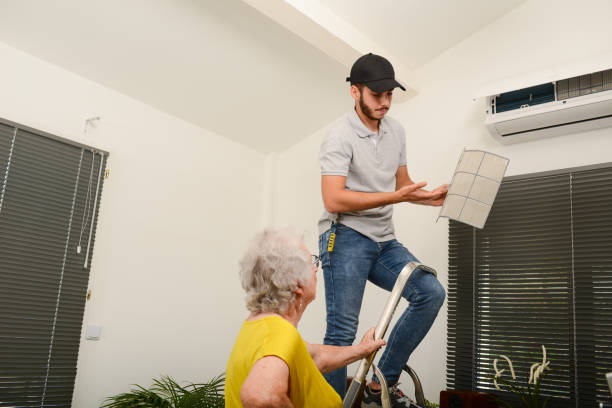
Taking Action When You Notice These Signs
Ignoring early warning indicators can lead to more significant damages over time. Routine maintenance checks and prompt repairs keep your cooling system functioning efficiently while extending its lifespan. If you observe any of these common indicators, contact a qualified HVAC professional for further evaluation and service recommendations tailored specifically to your needs.
Expert Orlando, FL AC Repair: Ensuring Optimal Performance and Efficiency
Key Components of Professional AC Service
- Thorough Inspection
A professional technician will conduct a comprehensive inspection, identifying potential issues before they escalate into significant problems. This includes: - Checking for refrigerant leaks
- Examining electrical connections
- Inspecting coils and fan blades
- Assessing thermostat functionality
- Cleaning Critical Components
Over time, dust, debris, and mold can build up in various parts of your AC system. Professional cleaning ensures: - Improved airflow efficiency by cleaning air filters
- Prevention of coil freezing by removing dirt from evaporator coils
- Unclogged drainage systems to avoid water damage
- Lubrication of Moving Parts
Lubricating components like motors and fans reduces friction, which helps prevent wear and tear while optimizing the performance of your system. - System Calibration
Technicians ensure your thermostat is accurately calibrated and that the system cycles on and off as intended for consistent indoor temperature control.
Benefits of Professional AC Servicing
- Enhanced Energy Efficiency: Regular servicing eliminates inefficiencies in your system, leading to lower energy consumption and reduced utility bills.
- Extended Lifespan: Maintenance prevents premature wear on components, helping you avoid an early replacement.
- Improved Air Quality: Clean filters and ducts reduce allergens like pollen or dust circulating in your home.
- Reduced Risk of Breakdowns: Identifying minor issues during service prevents unexpected failures during peak usage periods.
Comparison Table: DIY Maintenance vs. Professional Servicing
| Aspect | DIY Maintenance | Professional Servicing |
| Scope | Limited (e.g., filter cleaning) | Comprehensive (e.g., inspection, repair) |
| Expertise Required | Basic | Advanced technical knowledge |
| Detection of Issues | Superficial | In-depth diagnostics |
| Time Commitment | Low | Moderate |
How Often Should You Schedule AC Service?
- For residential systems used seasonally: Once per year (preferably before summer).
- For commercial or heavily-used systems: Twice per year or quarterly maintenance as needed.
- Older units may require more frequent checks due to wear over time.
Investing in regular professional servicing not only ensures consistent comfort but also safeguards against unnecessary repair costs while promoting energy efficiency throughout your system’s lifespan.
Key Benefits and Advantages of Installing a Heat Pump System in Your Home
A heat pump system is an energy-efficient solution that serves as both a heating and cooling system for your home. By transferring heat rather than generating it, it provides consistent comfort while reducing energy consumption. Below are the key benefits and advantages of installing a heat pump system in your home.
Energy Efficiency
Heat pumps are known for their high energy efficiency compared to traditional HVAC systems.
– Instead of generating heat through combustion or electrical resistance, they move heat from one location to another, consuming less energy in the process.
– Modern heat pumps can achieve efficiencies up to 300%, meaning they produce three times more thermal energy than the electrical power they consume.
Dual Functionality
One of the biggest advantages of a heat pump is its ability to operate as both a heater and an air conditioner:
– Heating during winters: Heat is absorbed from outdoor air (even in cold climates) and transferred indoors.
– Cooling during summers: The process is reversed, with indoor heat being extracted and released outdoors.
This dual functionality eliminates the need for separate heating and cooling systems, saving space and installation costs.
Lower Operational Costs
While initial installation costs may be higher, the long-term operational savings make heat pumps a cost-effective investment:
– Reduced utility bills due to improved energy efficiency.
– Minimal maintenance requirements compared to systems like furnaces or boilers.
Environmental Benefits
Heat pumps contribute positively to environmental sustainability by reducing carbon emissions:
– They rely on electricity rather than fossil fuels like gas or oil.
– Advanced models often integrate seamlessly with renewable energy sources such as solar panels, further reducing their carbon footprint.
| Feature | Traditional HVAC Systems | Heat Pump Systems |
| Primary Energy Source | Gas or Electricity | Electricity |
| Heating Efficiency | Moderate | High (up to 300%) |
| Cooling Functionality | Separate AC unit required | Integrated with heating |

Improved Indoor Air Quality
Modern heat pumps often come equipped with advanced filtration systems that enhance indoor air quality by removing dust, allergens, and other pollutants. Additionally:
– They maintain consistent humidity levels within your home for greater comfort.
– Reducing airborne particles can be particularly beneficial for individuals with allergies or respiratory issues.
Longevity and Durability
Heat pumps are designed to last longer when properly maintained:
1. Most systems have an average lifespan of 15–20 years. 2. Routine maintenance ensures optimal performance over time. 3. Durable components reduce breakdowns common in older HVAC setups.
Final Thoughts on Heat Pump Installation
By providing year-round comfort while cutting down on energy costs and environmental impact, installing a heat pump system represents a forward-thinking choice for homeowners seeking efficiency and sustainability without compromising performance quality.
When to Call for Emergency HVAC Repair Services to Prevent Further Damage
HVAC systems are crucial for maintaining comfort in your home. However, when they malfunction or break down unexpectedly, it’s important to know when to seek emergency repair services. Delaying repairs may worsen the problem and lead to more expensive fixes down the line. Below are key scenarios and practical tips to help you determine when it’s time to call for emergency HVAC repair services.
Signs You May Need Immediate HVAC Repairs
- Complete System Failure: If your air conditioner or furnace stops working entirely, especially during extreme weather conditions, it’s critical to address the issue promptly.
- Unusual Noises: Grinding, banging, or screeching sounds from your HVAC unit could be a sign of mechanical failure.
- Burning Odor or Electrical Smell: These smells could signal overheating components or electrical issues that may pose a safety risk.
- Leaking Refrigerant or Water: Pools of water around the system or refrigerant leaks can cause damage to components and impact cooling efficiency.
- Inconsistent Temperature Regulation: If some rooms are too hot while others remain too cold, this could indicate a failing system that requires immediate attention.
Risks of Delaying Emergency HVAC Repairs
- Costly Repairs: Minor issues left unaddressed can escalate into major problems requiring expensive repairs.
- Reduced Efficiency: A malfunctioning system will consume more energy while delivering subpar performance, leading to higher utility bills.
- Health Hazards: Poor air circulation caused by a failing HVAC system can result in mold growth, allergens spreading indoors, and compromised indoor air quality.
- Permanent System Damage: Operating a damaged unit may place strain on critical components and lead to irreversible damage.
When Is It Safe to Wait?
| Problem | Emergency Response Needed? |
| Restricted Airflow | No |
| Dirty Air Filters | No |
| Thermostat Issues | No (in most cases) |
| Minor Unusual Noises | Monitor but not urgent |
However, if unsure about the severity of an issue, consulting with a professional is always recommended.
Steps To Take Before Calling Emergency Services
- Check your thermostat settings and ensure they’re correct.
- Inspect your circuit breakers for any tripped switches.
- Replace clogged air filters if airflow seems restricted.
- Look for visible blockages near vents or ductwork.
These basic troubleshooting steps might resolve minor issues without requiring professional intervention.
Benefits of Professional Emergency Repair Services
- Experienced technicians quickly identify root causes and resolve them efficiently.
- Proper tools and expertise ensure minimal disruption during repairs.
- Comprehensive inspections prevent potential future breakdowns.
Knowing when to call for emergency HVAC repair services is essential for ensuring comfort in your home while minimizing long-term costs associated with severe damage. Always prioritize timely action when faced with critical issues affecting the performance of your heating or cooling systems.
- Identifying Air Handler Issues and Finding Reliable Orlando, FL AC Repair
- Recognizing When You Need Air Conditioning Repair Orlando, FL Services
- Ensuring Comfort and Efficiency with Orlando, FL AC Repair
- Identifying When You Need Orlando, FL AC Repair for Your Air Conditioning Unit This Summer
- How often should you schedule Orlando, FL ac repair to ensure optimal performance
- 6 Key Signs You Need Immediate AC Service Orlando Residents Should Know
- Effective Solutions for Orlando, FL AC Repair and Common Problems