
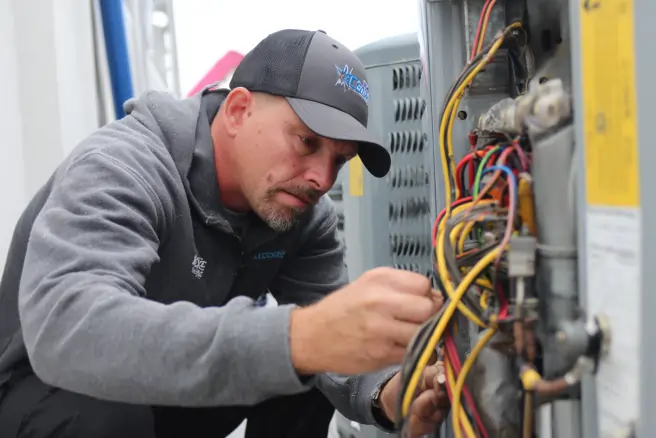
Air handlers are key components of your heating, ventilation, and air conditioning (HVAC) system. They are responsible for circulating conditioned air throughout your home or commercial space. When an air handler malfunctions, it can lead to reduced comfort, inefficiency, or even complete system failure. Recognizing common air handler problems can help prevent costly repairs or replacements in the future. Below is an overview of typical issues and how professional AC service can address them.
Common Air Handler Problems
- Dirty or Clogged Air Filters
Over time, dirt and debris build up in the air filter, restricting airflow and straining the system. This can result in: - Reduced efficiency.
- Poor indoor air quality.
- Increased energy costs.
- Blower Motor Issues
The blower motor is responsible for moving air through your ducts. If it malfunctions due to wear and tear or electrical issues, you may experience: - Unusual noises (e.g., squealing or rattling).
- Weak airflow from vents.
- Total loss of airflow.
- Leaking Ductwork
Damaged or poorly sealed ducts allow conditioned air to escape before it reaches its destination. This leads to uneven cooling and higher energy bills. - Frozen Evaporator Coils
Insufficient airflow caused by dirty filters, a malfunctioning blower motor, or refrigerant issues can lead to frozen coils within the air handler unit. - Electrical Problems
Faulty wiring, blown fuses, or damaged control boards can disrupt the operation of the air handler entirely.
How Professional AC Service Can Help
- Inspection & Cleaning: Technicians clean components like filters, coils, and fan blades to improve airflow and performance.
- Blower Motor Repair: Whether lubricating parts or replacing faulty motors entirely, professionals restore proper airflow.
- Duct Sealing: Specialized tools like mastic sealant ensure leaks are patched for maximum efficiency.
- Refrigerant Check: Ensuring proper refrigerant levels prevents freezing coils while maintaining optimal cooling capacity.
- Electrical Testing: Technicians test connections and replace worn wiring to safeguard against future breakdowns.
Preventative Care Tips
- Replace filters every 1–3 months as recommended by the manufacturer.
- Keep vents unblocked by furniture for better circulation.
- Monitor energy bills for unexpected spikes indicating inefficiencies.
Summary Table: Common Issues vs Solutions
| Problem | Symptom | Professional Solution |
| Dirty Air Filter | Restricted airflow; higher energy bills | Regular filter cleaning/replacement |
| Blower Motor Failure | Weak/no airflow; strange noises | Motor lubrication/repair |
| Frozen Coils | Unit stops cooling; visible ice on coils | Address underlying causes like low refrigerant |
| Leaky Ductwork | Uneven temperatures; wasted energy | Proper duct sealing |
| Electrical Issues | System shuts down completely; intermittent operation | Inspection & electrical repair |
By recognizing early warning signs of trouble with your air handler and scheduling regular maintenance with qualified technicians, you ensure efficient cooling performance year-round while minimizing potential repair costs in the future.
Resolving Air Flow Issues with Reliable AC Service Orlando Experts
Proper airflow is essential for your air conditioner to function efficiently. Poor airflow can lead to uneven cooling, higher energy bills, and even system failure if left unresolved. This section explores common airflow issues, their causes, and how professional AC service can address them effectively.
Understanding Airflow Problems and When to Seek Air Conditioning Repair Orlando, FL
- Air filters play a critical role in maintaining proper airflow by trapping dust, dirt, and debris.
- Over time, filters can become clogged if not replaced or cleaned regularly.
- Restricted air caused by dirty filters forces the system to work harder.
- Obstructions such as dirt buildup or physical damage in ducts can reduce airflow.
- Leaks in ductwork allow conditioned air to escape before reaching your living spaces.
- A malfunctioning blower fan may fail to circulate air properly.
- Problems with the fan motor or bearings can cause reduced efficiency and noise.
- Evaporator coils that are covered in grime restrict the flow of air through the system.
- Dirty coils also impact heat transfer, reducing cooling capacity.
- If your AC system is too large or too small for your space, it may struggle to maintain proper airflow.
- An oversized unit might cycle on and off frequently without distributing cool air effectively.
Expert Solutions for Airflow Issues from a Leading HVAC Company Orlando, FL
- Inspection of Filters:
During routine servicing, technicians inspect filters for dirt accumulation and replace them if necessary. Replacing filters every 30-90 days ensures optimal performance. - Ductwork Evaluation:
Professionals assess ducts for blockages or leaks using specialized tools like duct cameras or pressure tests. Repairs typically involve sealing leaks with mastic sealant or aluminum tape. - Fan Maintenance:
Technicians check blower fans for wear and tear on motors, belts, and bearings while ensuring they operate at the correct speed setting for optimal circulation. - Coil Cleaning:
Both indoor evaporator coils and outdoor condenser coils are cleaned during servicing using non-corrosive cleaning agents to restore unrestricted airflow. - System Sizing Assessment:
If undersized or oversized equipment is suspected as a root cause of poor airflow, HVAC professionals may recommend resizing the unit in alignment with Manual J load calculations—a method used to determine accurate heating/cooling needs based on factors like square footage, insulation levels, and climate conditions.
Simple Steps You Can Take Between Services
- Replace filters regularly (typically every 30-90 days).
- Keep vents open and unobstructed by furniture or curtains.
- Inspect duct openings periodically for visible blockages like dust clumps.
- Trim vegetation around outdoor condenser units to ensure sufficient ventilation.
- Use ceiling fans alongside your AC system to encourage better circulation.
| Problem | DIY Fixes | Professional Solutions |
| Dirty Filters | Replace filters regularly | Ensure filter compatibility |
| Blocked Ductwork | Check accessible areas | Clear obstructions; repair leaks |
| Fan Malfunction | None | Inspect motor; lubricate parts |
| Dirty Coils | None | Safe cleaning with specialized equipment |
Maintaining proper airflow not only ensures consistent comfort but also extends the lifespan of your AC system while improving energy efficiency significantly when paired with regular professional maintenance services.
Benefits of Professional AC Inspections for Long-Term Performance
Regular professional inspections of your air conditioning system from https://www.acserviceorlando.net/ play a crucial role in ensuring its efficiency and extending its operational life. Beyond just maintaining cool air during warm months, routine inspections help identify potential issues early while promoting optimal system performance. Below, we outline the key benefits of professional AC inspections and how they contribute to long-term performance.
1. Early Detection of Issues
Professional AC technicians have the expertise to identify minor problems before they escalate into significant, costly repairs. Components such as belts, filters, compressors, or coils may show early wear and tear signs that an untrained eye might miss. Addressing these issues promptly helps:
– Prevent sudden breakdowns
– Avoid emergency repair costs
– Minimize downtime during peak usage seasons
2. Enhanced Energy Efficiency
Over time, dirt and debris can accumulate within the system, forcing it to work harder to achieve desired cooling levels. Professional inspections typically include cleaning components like:
– Air filters
– Evaporator coils
– Condenser coils
This cleaning process reduces strain on the system and ensures energy-efficient operation, leading to lower utility bills over time.
3. Improved Indoor Air Quality
A neglected AC unit can circulate dust, allergens, and other pollutants throughout your home or workplace. Trained technicians check for:
– Clogged or dirty filters
– Mold or bacteria buildup inside ducts or on coils
By addressing these concerns during an inspection, you ensure cleaner air circulation and a healthier indoor environment.
4. Prolonged Equipment Lifespan
Routine maintenance conducted by professionals helps extend the lifespan of your air conditioner by reducing wear on critical components like:
| Component | Common Issue Detected During Inspections | Potential Fixes |
|———————|——————————————|————————-|
| Compressor | Overheating or low refrigerant levels | Refrigerant refill/replacement |
| Fan Motors | Loose connections or motor failure | Retightening/replacement |
| Condenser Coils | Dirt accumulation | Coil cleaning |
By keeping these parts functioning optimally, you can delay the need for a full system replacement.
5. Compliance with Warranties
Many manufacturers require routine professional servicing to maintain warranty validity on air conditioning systems. Skipping annual inspections could void warranty coverage for repairs or replacements—a costly oversight most homeowners aim to avoid.
Tips for Maximizing Inspections’ Effectiveness
While scheduling regular professional check-ups is essential, here are some additional ways to make the most out of these services: 1. Keep a log of past services so technicians can easily identify recurring patterns. 2. Replace basic components like air filters monthly if recommended. 3. Communicate any unusual noises or irregular performance with your technician during their visit.
Investing in regular professional AC inspections enhances system longevity and promotes energy efficiency while delivering peace of mind that your unit will perform reliably when needed most.
Comprehensive Spring HVAC Tune-Up: What Professional AC Service Includes
A comprehensive spring HVAC tune-up is essential to ensure your air conditioning system operates efficiently during the warmer months. Professional AC service providers offer a thorough inspection, cleaning, and maintenance plan tailored to extend the lifespan of your unit while maximizing its performance. Here’s an in-depth look at what a professional spring HVAC tune-up typically includes.
Inspection of System Components
- Air Filters: Checking for clogged or dirty filters that can obstruct airflow and reduce efficiency.
- Thermostat Functionality: Ensuring the thermostat accurately measures temperature and communicates with the system.
- Electrical Connections: Examining and tightening loose connections to prevent electrical hazards or malfunction.
- Ductwork: Assessing ducts for leaks, blockages, or damage that could compromise air distribution.
- Refrigerant Levels: Measuring refrigerant levels to ensure proper cooling performance without overloading the compressor.
Cleaning and Maintenance
- Cleaning Coils: Both evaporator and condenser coils are cleaned to enhance heat transfer efficiency.
- Drain Line Clearing: The condensate drain line is flushed to prevent clogs that could lead to water damage or mold growth.
- Fan Blade Cleaning: Removing dirt from fan blades helps maintain proper airflow and reduces strain on the motor.
- Filter Replacement: Installing new filters improves air quality and ensures proper airflow.
Performance Testing
| Test Name | Purpose |
| Airflow Measurement | Ensures consistent airflow throughout your home for even cooling distribution |
| Refrigerant Pressure Test | Confirms refrigerant levels are within manufacturer-recommended ranges |
| System Cycling Test | Checks if the system starts, runs, and shuts off correctly |
Lubrication of Moving Parts
Friction caused by dry moving parts can lead to wear-and-tear over time. Technicians lubricate components such as motors, bearings, and fans during a spring tune-up to protect against premature failure.
Benefits of a Spring Tune-Up
- Improved Efficiency: A clean and well-maintained AC runs more efficiently, lowering energy bills.
- Greater Comfort: Optimized cooling ensures consistent temperatures throughout your home.
- Extended Lifespan: Early detection of minor issues prevents them from developing into costly repairs later.
- Healthier Air Quality: Clean filters and coils contribute to better indoor air quality by reducing allergens like dust and pollen.
Scheduling a spring tune-up with a certified professional ensures that your air conditioning unit is ready for peak summer performance while minimizing risks of breakdowns or unexpected repair costs later in the season.
Exploring the Advantages of Regular AC Service to Prevent Major Repairs
Regular air conditioning (AC) service is a proactive approach to maintaining the performance of your cooling system. By scheduling routine maintenance, you can address minor issues before they escalate into costly repairs or system failures. Below, we explore how regular AC servicing benefits homeowners and helps you avoid major repair expenses.
1. Early Detection of Problems
One of the primary advantages of regular AC service is the ability to identify potential problems early. Technicians perform a thorough inspection of your system, focusing on key components such as:
– Compressor: Ensures the heart of your AC is functioning properly.
– Refrigerant Levels: Prevents refrigerant leaks that could lower efficiency.
– Electrical Connections: Damaged wiring or loose connections are identified and fixed before causing system malfunctions.
Early detection not only prevents expensive repairs but also minimizes unexpected breakdowns during peak seasons when cooling demand is high.
2. Improved System Efficiency
Regular servicing ensures that all components in your air conditioning unit work harmoniously, which optimizes its energy efficiency. Key steps include:
– Cleaning or replacing air filters to improve airflow and indoor air quality.
– Cleaning condenser coils to enhance heat exchange and system performance.
– Lubricating moving parts for smoother operation and reduced wear.
Improved efficiency translates to lower energy consumption and reduced utility bills over time.
| Maintenance Task | Benefits | Frequency |
| Air filter replacement | Enhances airflow, improves air quality | Monthly/Quarterly |
| Coil cleaning | Prevents overheating, boosts efficiency | Annually |
| Refrigerant level checks | Ensures proper cooling, reduces wear | Annually |
3. Extending System Lifespan
Consistent servicing ensures that minor issues like dirty components or worn-out parts don’t snowball into severe damage that compromises the entire system. When an AC unit operates under optimal conditions:
– Parts experience less strain and wear-and-tear.
– The likelihood of major component failure decreases significantly.
This proactive care can extend your AC unit’s lifespan by several years—delaying the need for a costly replacement.
4. Reduced Repair Costs
AC service costs are typically far lower than emergency repair costs associated with neglected systems. For example:
– A clogged condensate drain fixed during maintenance might cost a fraction compared to water damage repair from an overflow caused by neglect. – Faulty capacitors replaced during a routine checkup prevent compressor failure—which could cost thousands to replace.
By addressing small issues promptly, you avoid heavy financial burdens caused by major breakdowns.
5. Maintaining Warranty Compliance
Many manufacturers require proof of regular professional service to maintain warranty validity for their equipment. Neglecting scheduled maintenance could void your warranty, leaving you unprotected against manufacturing defects or system failures covered under warranty terms.
Regular AC service isn’t just about preventing discomfort; it’s about safeguarding your investment in home comfort while reducing long-term costs related to repair and replacement needs. Make annual servicing part of your home maintenance plan for sustained performance and peace of mind year-round.
Signs Your Air Conditioner Might Need Replacement and How Professional Service Can Help
Over time, air conditioners experience wear and tear that can compromise their performance. Recognizing the signs that your AC unit might need replacement is vital to maintaining comfort, energy efficiency, and avoiding higher long-term costs. Below are key indicators your air conditioner may be nearing the end of its lifespan and ways professional service can assist in this transition.
Signs Your Air Conditioner Might Need Replacement
- If your AC struggles to maintain a comfortable temperature or the airflow from vents feels weak, this could indicate significant internal issues like failing compressors or clogged ductwork.
- When repair costs start piling up, especially for major components like capacitors or evaporator coils, replacing the unit may be more cost-effective than continuous servicing.
- Older units often consume more electricity as they lose efficiency over time. A sudden spike in energy costs could signal that your AC is no longer running efficiently.
- Loud or unusual noises such as grinding, banging, or squealing often indicate mechanical failure. Persistent odors might suggest mold growth in the system or burnt-out wiring.
- Most air conditioners have a lifespan of 10-15 years with proper maintenance. Units older than this time frame usually become less efficient and prone to frequent breakdowns.
- Systems using outdated refrigerants like R-22 are not only environmentally harmful but also expensive to maintain due to limited availability.
How Professional Service Can Help
- System Diagnosis:
Certified HVAC technicians perform detailed inspections to assess component failures and determine if they are repairable or if replacement is more viable. - Energy-Efficiency Evaluation:
Professionals compare your current unit’s SEER (Seasonal Energy Efficiency Ratio) rating with modern high-efficiency models to illustrate potential savings on energy bills. - Customized Recommendations:
Based on your cooling needs, home size, and budget, experts recommend replacement options tailored specifically for optimal performance and cost-effectiveness.
Benefits of Upgrading Your AC System
| Benefit | Description |
| Improved Efficiency | Modern units with higher SEER ratings consume less energy |
| Enhanced Comfort | Advanced cooling technologies ensure consistent temperatures |
| Lower Maintenance | New systems require fewer repairs compared to aging units |
| Eco-Friendly Options | Environmentally conscious refrigerants reduce carbon footprint |
Proactive Steps Before Replacement
- Schedule a professional inspection to confirm whether repairs are still feasible.
- Compare estimated repair costs versus upfront investment in a new unit.
- Evaluate available warranties from manufacturers for added peace of mind.
By recognizing these signs early and consulting with certified professionals, you can ensure a smoother transition toward efficient cooling solutions while minimizing unnecessary expenses over time.
Signs Your Air Conditioner Might Need Replacement and How Professional Service Can Help
As air conditioners age, they begin to exhibit signs of wear and reduced efficiency. Recognizing these indicators early can help you decide whether a replacement is necessary. Professional AC service plays a key role in diagnosing these issues and guiding you through the replacement process if needed. Below are common signs that suggest your air conditioner may need replacement, along with insights into how professional service can assist.
Common Signs Your AC Might Need Replacement
- If your AC unit requires frequent repairs, it may be more cost-effective to replace it entirely rather than continuing to invest in frequent servicing.
- Constant failures can indicate significant internal wear or an underlying issue that cannot be resolved with repairs alone.
- A sudden surge in energy costs could mean that your AC is working harder than necessary due to reduced efficiency.
- Older units often consume more energy than newer, energy-efficient models designed to meet modern standards.
- Uneven temperatures or an inability to cool your home effectively could signal that the system is no longer capable of maintaining proper performance levels.
- This issue may stem from aging components or failing compressors.
- Persistent loud noises like grinding, squealing, or rattling can point toward failing internal parts that are costly to replace individually.
- Foul odors or musty smells emitted by the system might indicate mold growth, worn-out insulation, or other significant damage.
- Most air conditioners have a lifespan of 10–15 years. If your unit falls within this range or exceeds it, upgrading to a new system is often recommended for enhanced reliability and cost savings over time.
How Professional Service Can Help
- Thorough Assessment: A licensed technician will inspect the entire system to identify whether issues can be resolved through repairs or if replacement is the better option based on the cost-benefit analysis.
- Energy Efficiency Recommendations: Professionals can help you select an upgraded model that aligns with current energy-efficiency standards (e.g., those rated by SEER). This ensures lower operational costs over time.
- Proper Sizing & Installation: Incorrectly sized systems lead to inefficiencies; experts ensure you get the right size unit tailored for your home’s cooling needs.
- Warranty Guidance: If your existing unit’s warranty covers certain components but not labor costs, technicians can guide you through understanding available options while transitioning to a new system.
Comparing Costs: Repair vs Replacement
| Factor | Repair Costs | Replacement Costs | Considerations |
| Frequency of Repairs | Repeated costs add up | One-time investment | Frequent fixes often outweigh replacement value |
| Efficiency Gains | Minimal | Significant improvement | New systems reduce long-term energy bills |
| Expected Lifespan | 1–3 years | 10–15 years | A new system offers long-term reliability |
Regular professional service ensures small problems don’t escalate into expensive repairs, extending the life of systems when possible while guiding informed decisions about replacements when necessary.
- Identifying Air Handler Issues and Finding Reliable Orlando, FL AC Repair
- Recognizing When You Need Air Conditioning Repair Orlando, FL Services
- Ensuring Comfort and Efficiency with Orlando, FL AC Repair
- Identifying When You Need Orlando, FL AC Repair for Your Air Conditioning Unit This Summer
- How often should you schedule Orlando, FL ac repair to ensure optimal performance
- 6 Key Signs You Need Immediate AC Service Orlando Residents Should Know
- Effective Solutions for Orlando, FL AC Repair and Common Problems